The Photobook as a Narrative Object
The modern photobook operates not as a mere portfolio, but as a standalone narrative architecture. Curators and photo editors have shifted their evaluation criteria over roughly the past decade. They no longer select the most visually striking single images to carry a project. Instead, they look at the connective tissue between frames, prioritizing narrative flow and pacing over individual photographic triumphs.
Editing timelines now often extend from 6 to 9 months for establishing visual rhythm. Sequencing boards using 40 to 60 physical work prints map out complex narrative arcs across studio walls. This careful pacing preserves the nuance of post-conflict social structures—a necessity when documenting trauma. Yet this intense focus on sequence demands a sacrifice. Standalone masterpieces are routinely cut if they disrupt the broader narrative flow, forcing the photographer to serve the book rather than the ego.
From Catalog to Canvas: A Historical Context
From aggregated reporting, between 2015 and 2021, editorial feature allocations shrank from 10-14 pages down to 2-4 pages. Traditional print journalism steadily reduced its visual real estate in response to shifting advertising revenues. Photojournalists realized these truncated editorial layouts were suffocating complex stories.
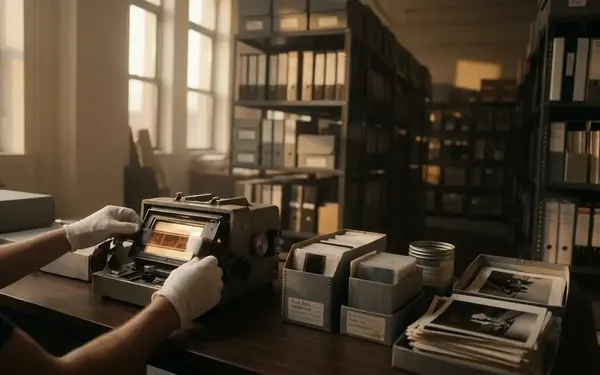
Documentary projects often requiring 3 to 5 years of fieldwork before reaching the editing phase could not survive in a three-page spread. This structural collapse forced a collective decision to self-fund long-form projects outside the magazine ecosystem. The photographer transitioned from a commissioned image-maker to an author and director of the visual sequence. Early visual catalogs found in the historical archives of documentary photography laid the groundwork for this shift. The contemporary photobook evolved into a deliberate art object out of necessity, giving long-form visual journalism room to breathe.
Materiality and Design: The Tactile Experience
Physical construction dictates emotional resonance. When designing a recent conflict documentary book, the initial plan used a heavy 170gsm gloss coated stock to maximize black density. Test prints revealed a critical flaw. The glossy sheen created a psychological barrier between the viewer and the subject, reflecting light in a way that felt overly commercial for the gravity of the content.

The design pivoted to paper weights ranging from 110gsm to 130gsm for uncoated text blocks. The tactile nature of uncoated paper forces the viewer to slow down and engage deeply with the documentation.
Risk Factor: Assuming a high-contrast digital edit will translate directly to uncoated paper results in muddy midtones and lost shadow detail.
Recommendation: Binding choices must adapt to page count; perfect binding often fails on books exceeding 160 pages due to spine cracking, necessitating thread-sewn alternatives. Exposed Smyth sewing allows the book to lay flat at 180 degrees without spine stress.
Democratization and the Rise of Self-Publishing
Bypassing traditional publishing gatekeepers allows for raw, uncensored storytelling. Digital printing and crowdfunding have opened production, particularly within the Asia-Pacific region's rising zine culture. Independent publishers in the region adopted a pre-sale model to mitigate financial risk. They decide print volumes based on campaign metrics rather than speculative warehouse stocking.
Pre-production funding windows lasting 21 to 28 days determine the project's viability before the presses ever run. First-edition print runs are usually capped between 250 and 600 copies. Financial risk in independent publishing is direct. Photobook production relies on community-backed pre-sale models to prevent insolvency.
Critical Insight: Crowdfunding shifts the photographer's role from pure creator to project manager, demanding rigorous audience engagement before a single page is printed.
The Cost of Tangibility: Scope and Limitations
Tangibility carries a steep logistical penalty. Unit production costs can range from $28 to $45 for short-run hardcovers. International shipping adds an additional $14 to $22 per unit. This creates a severe tension between crafting an exclusive art object and the journalistic mandate of widespread accessibility.
Publishers attempted to offset rising international freight costs by decentralizing production. They route print files to regional facilities closer to the buyer base rather than shipping globally from a single origin point. Cross-checking confirmed one catch: decentralized printing introduces severe color calibration variances. A book printed in a European facility may exhibit a 3 to 5 point cyan shift compared to the same file printed in an Asia-Pacific hub. This inconsistency challenges the photographer's control over the final visual output, requiring meticulous proofing across multiple continents.
Preserving Asia-Pacific Narratives in Print
Projects spanning 4 to 7 years of continuous regional documentation require careful translation into universal visual languages. Photographers documenting climate displacement in the Asia-Pacific have interleaved blank spreads between dense chapters. This creates a physical pause, giving the viewer time to process the emotional weight of the preceding images.
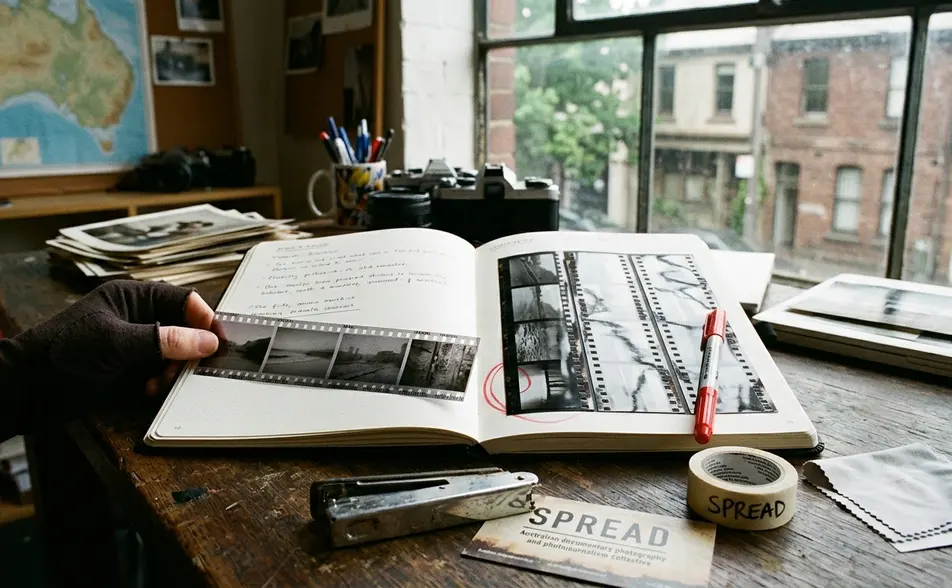
The photobook serves as a historical archive for marginalized communities whose physical environments are vanishing. Recent volumes incorporate 8 to 12 pages of localized archival text inserts printed on contrasting 90gsm stock. This layering of memory and medium asserts visual sovereignty over rapidly changing cultures and environmental crises. The integration of local dialects and historical records directly into the binding transforms the book from observation into a collaborative artifact.
The Enduring Legacy of the Printed Page
Digital records are inherently ephemeral. Ongoing multi-year archival assessments confirm that digital storage formats require active migration every 5 to 8 years to prevent data corruption. In stark contrast, acid-free paper stocks are rated for 150 to 200 years of structural integrity.
Archivists are prioritizing physical book acquisitions over digital repositories. They recognize that physical bindings bypass the rapid obsolescence of digital file formats and proprietary viewing software. The printed page remains a definitive vessel for documentary practice. It helps ensure that the human stories shaping our world endure beyond the fleeting scroll of a screen. As the medium continues to evolve, the photobook keeps tangible memory in circulation.