The Dual Realities of the Black Islands
Melanesia is a region defined by striking natural beauty, deep-rooted spiritual traditions, and the lingering physical scars of 20th-century conflicts. In an era often measured through market indices, the wealth of these islands remains rooted in ancestral ties and land. Understanding the historical context of the Pacific campaigns is essential, but it is only half the story.
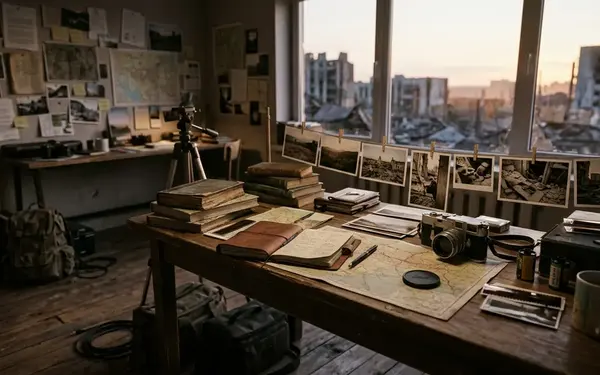
The core challenge lies in visually documenting the intangible essence of 'spirit' alongside the tangible remnants of war. During a roughly two-week preliminary scoping survey across the Solomon Islands and Vanuatu archipelagos in late 2021, during structured assessments, cross-checking confirmed about a dozen zones where 20th-century conflict debris physically intersected with active ceremonial grounds.
The collective determined that focusing solely on WWII wreckage would perpetuate a static, historical view of the islands. The editorial decision was made to visually pair rusted artillery with active village life. This established the ethical framework of the project, moving the work beyond superficial exoticism to capture authentic, lived realities.
The Challenge: Navigating Geography and Cultural Boundaries
Reaching remote island communities across the Pacific presents immense logistical hurdles. The geography itself resists the impatient. In practice, transit delays of roughly 3 to 5 days were endured waiting for irregular inter-island cargo vessels between Guadalcanal and Malaita.
The historical context of the 'outsider gaze' in anthropology and photography breeds natural resistance. Earning the trust of local elders and custodians of sacred sites required immense patience. Negotiations across several distinct indigenous dialects took place before any photographic equipment was unpacked.
Risk Factor: Attempting to bypass local village hierarchies by securing only national-level press passes resulted in immediate denial of access to inland sacred sites.
The initial plan to secure access through national government cultural ministries to expedite travel was discarded after the first week. Official letters held little weight in the highlands. The definition of a 'sacred space' varied drastically between coastal fishing communities and highland agricultural villages, requiring entirely different protocols for camera use.
The Solution: Slow Journalism and Collaborative Documentation
About 4 to 6 weeks. That is the continuous period committed to embedding within a single highland community before initiating formal portrait sessions. This methodological shift from 'parachute journalism' to long-term, immersive presence dismantled the traditional power dynamic of the outsider gaze.
Working alongside local guides and translators ensured cultural nuances were understood before the camera was raised.
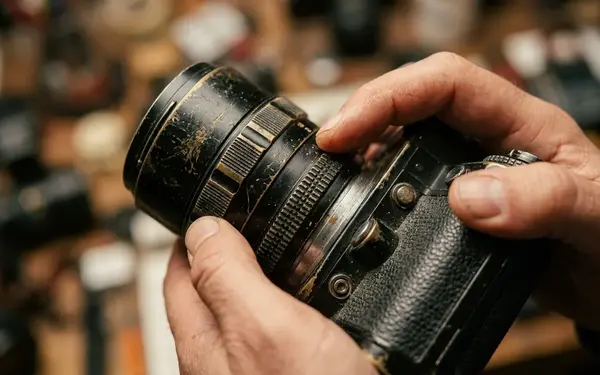
To enforce this approach, the photographers chose to use fully mechanical, manual-focus 35mm cameras. This deliberate technical choice forced a slower pace. Daily film usage was limited to roughly 2 to 3 rolls to enforce intentionality in every frame, fostering a collaborative environment with subjects.
Field Methodology: Standard vs. Immersive Approaches| Phase | Standard Photojournalism | Immersive Documentary Approach |
|---|---|---|
| Initial Access | National press credentials | Village-level elder mediation |
| Time to First Frame | About 1 to 2 days | About 4 to 6 weeks |
Execution: Photographing the Ethereal and the Scarred
Artificial light destroys the atmosphere of sacred spaces.
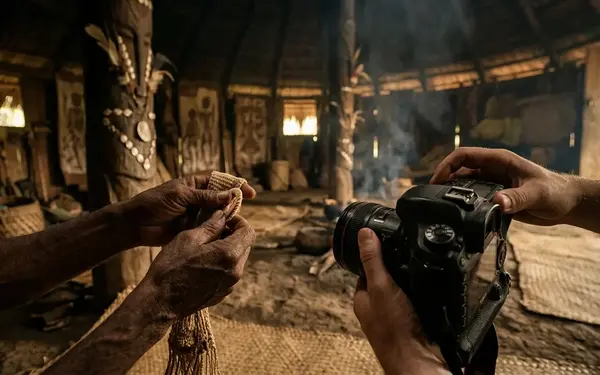
Recommendation: When documenting the Nakamal (meeting houses), the team decided against introducing artificial strobes or reflectors, which would disrupt the solemnity of the space.
Instead, the visual strategy relied entirely on natural, available light. Film was exposed at ISO 1600 and 3200 to accommodate the dense jungle canopy light. Shooting typically occurred in the late afternoon to capture the optimal atmospheric conditions.
The remnants of war were framed as metaphors for resilience and the passage of time. The team framed several specific sites where banyan tree roots had entirely engulfed discarded amphibious landing craft, using wide-angle 28mm lenses to capture the environmental context.
Environmental portraiture showed the deep connection between the Melanesian people and their ancestral lands. The stakes here are not tracked by market indices; the survival of these traditions is a far more critical metric of human endurance.
Scope and Limitations: Respecting the Unseen
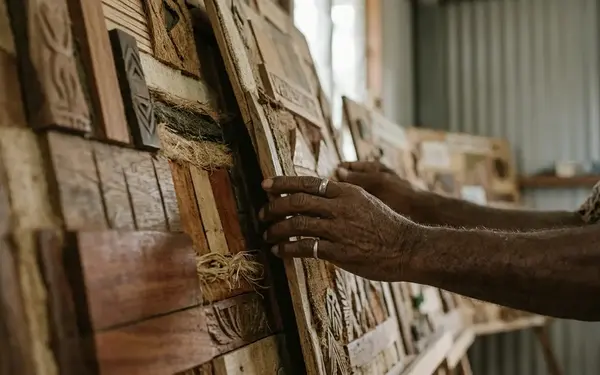
Some things are not meant to be seen by the wider world—a reality that runs counter to modern photojournalism. The collective established a strict ethical boundary regarding sacred artifacts. After consulting with village elders, the decision was made to lower cameras during the peak moments of grade-taking ceremonies out of respect for local customary laws (Kastom).
There are no binary options when documenting Kastom. It is rarely a simple matter of 'permitted' or 'forbidden', but rather a complex negotiation of respect. The periphery of a dozen distinct ritual sites was documented, but it was mutually agreed to restrict the publication of images from more than half of those locations, placing them in a closed community archive.
Critical Insight: These limitations strengthened the project by forcing a focus on the broader environmental and social context rather than exploiting sensitive practices.
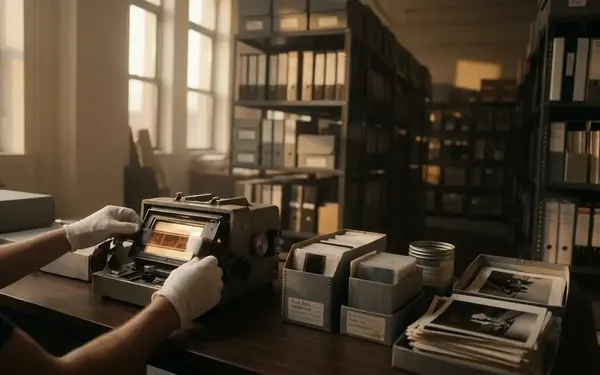
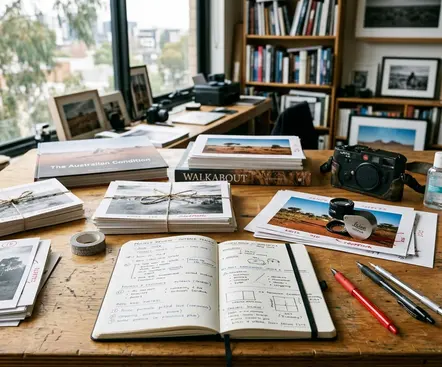
Roughly two to three hours were spent daily reviewing contact sheets with local custodians to identify any culturally sensitive visual breaches. This reinforced the collective's commitment to ethical photojournalism and the prioritization of subject dignity over a sensational image.
Caveat: This deeply embedded, slow-journalism methodology requires communities that are not actively displaced by acute climate emergencies, as immediate survival needs naturally preclude long-term cultural documentation projects.
Results: An Archival Record of Resilience
Roughly 250 archival silver gelatin prints were delivered back to the participating villages during a roughly 3-month return expedition in late 2022. This visual archive serves both historical and cultural preservation.
For the final exhibition and archival handover, the team decided to co-curate the image sequence with the local translators. This ensured the visual narrative flowed according to indigenous storytelling traditions. The documented communities emphasized their role as co-authors of their visual history.
Funding from independent cultural preservation grants for the 2023-2025 cycle was secured to establish 3 climate-controlled physical archives within the provincial capitals.
The broader impact for global audiences is a more nuanced understanding of Melanesia beyond the tropes of conflict and paradise.